Hinterkafeick Gallery - Images from Germany's Most Mysterious Crime
The Faces of Hinterkaifeck
What did the people really look like?
Click the arrow to view the resolution.
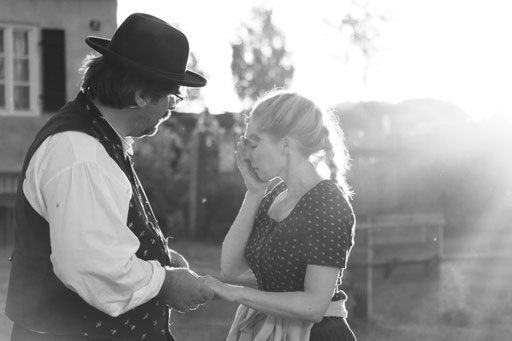
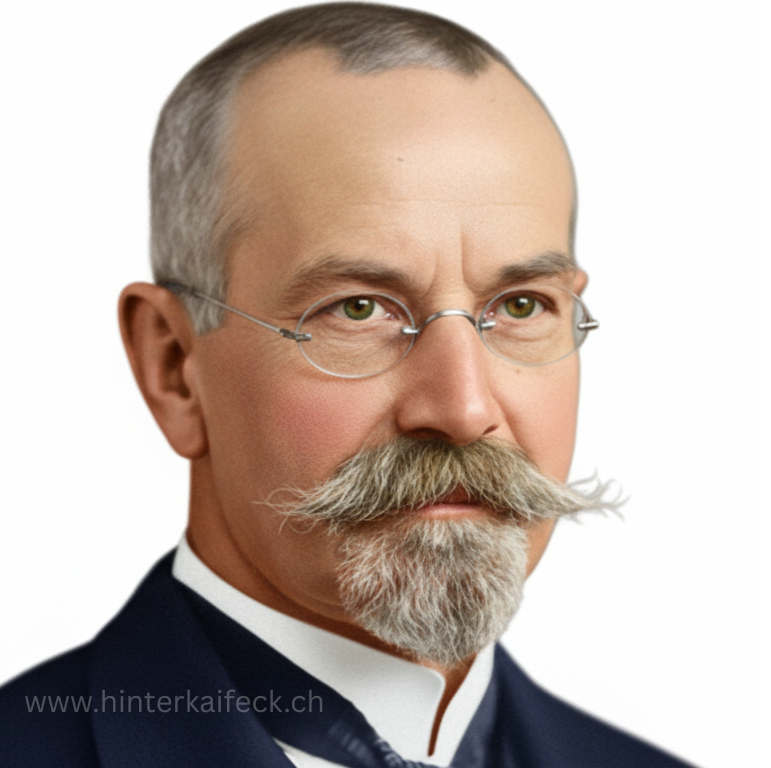
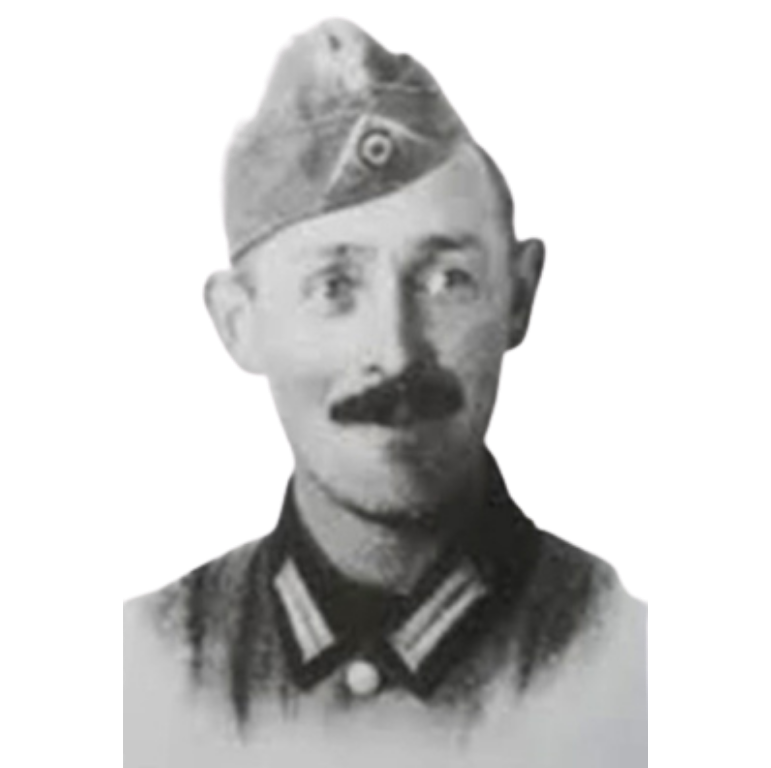
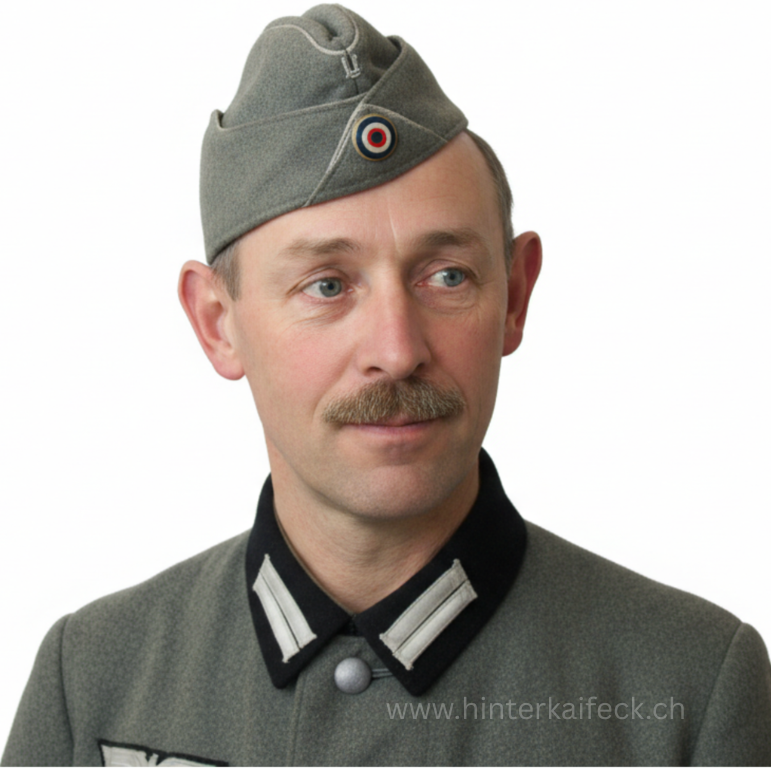
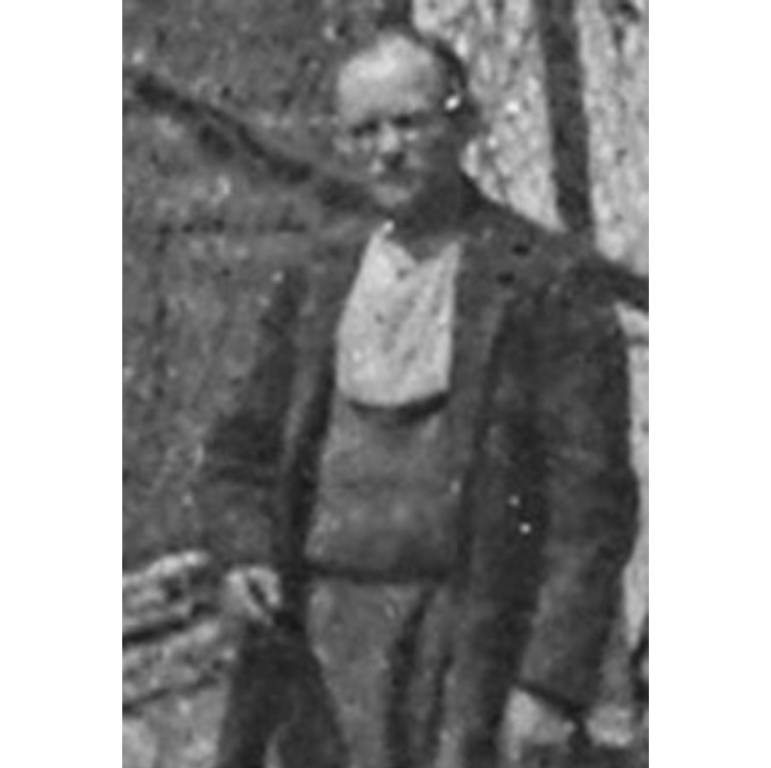
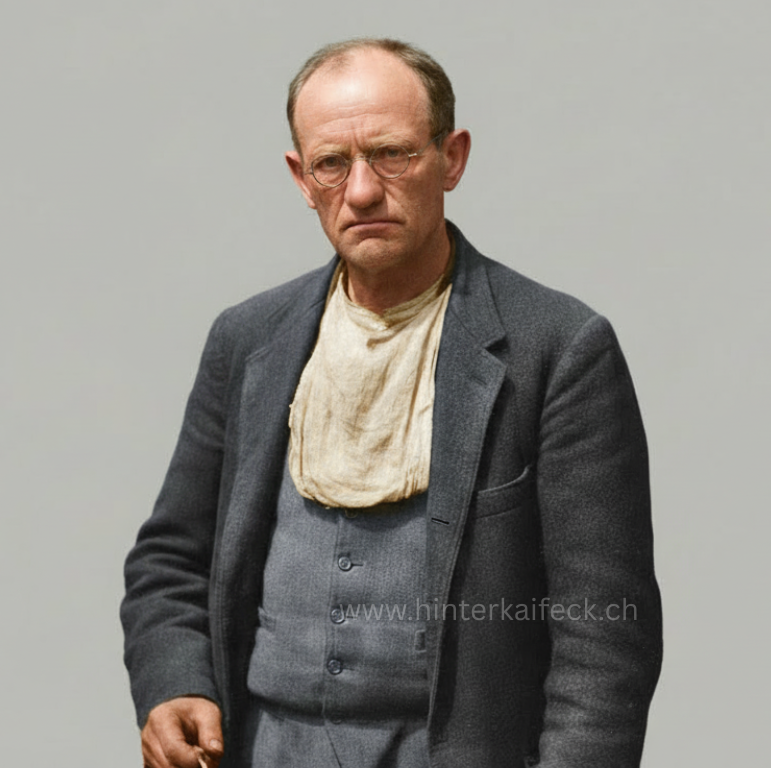
Only people for whom historical photographs exist are depicted. The depictions were created to the best of our knowledge and with respect for the real individuals. Their exact appearance cannot be guaranteed. Some of the photographs have simply been enhanced or colored. The clothing does not always correspond to reality. The images were generated using AI.
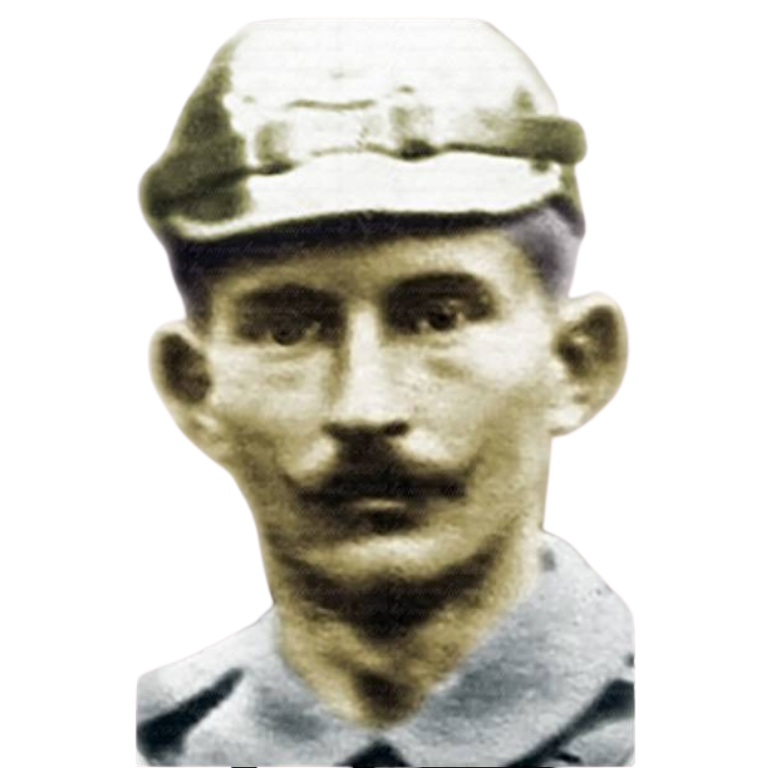
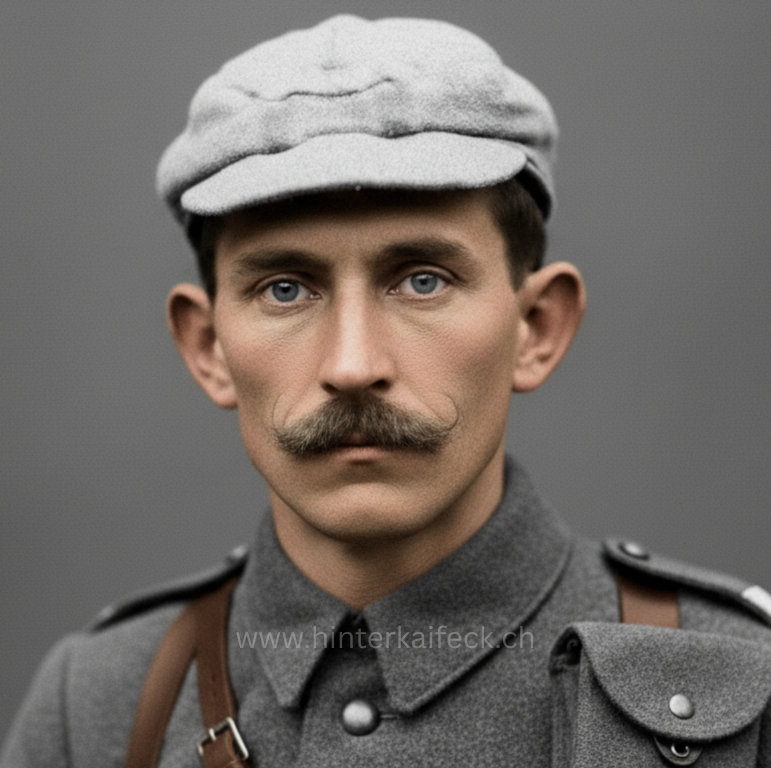
Karl Gabriel
Karl Gabriel married Viktoria because she was apparently expecting his child. He moved with her to Hinterkaifeck. He was treated poorly on the farm; Andreas Gruber was so stingy that sometimes he
didn’t get anything to eat for lunch.
When he realized that his father-in-law was molesting his wife, he returned to his parents’ home after only three months. Karl Gabriel then enlisted on the front lines, where he was killed in
action in France a short time later.

Alfred Hofner
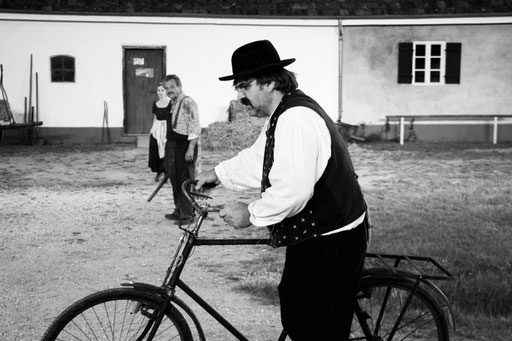
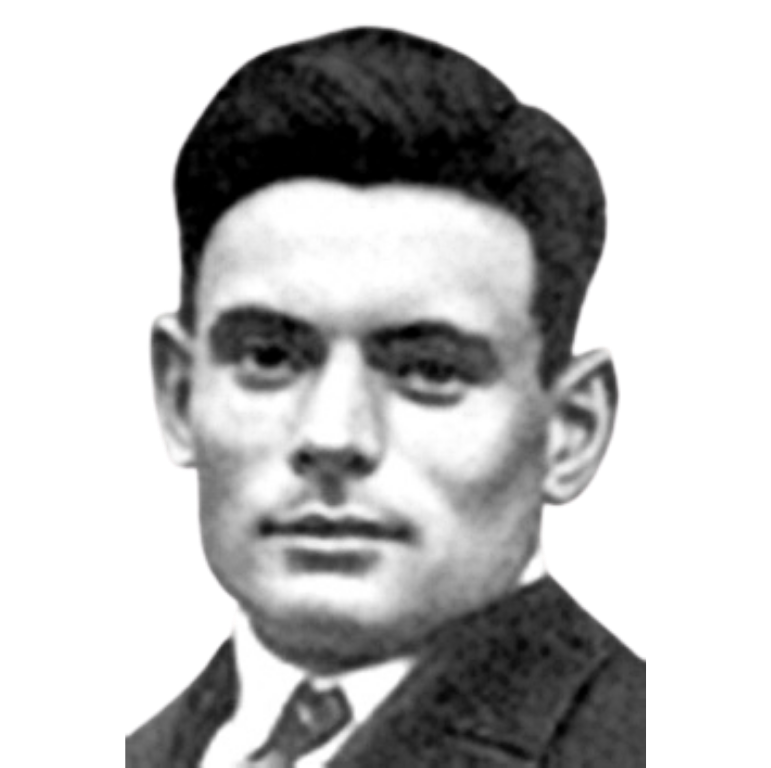
Alfred Hofner worked as a mechanic in Pfaffenhofen. On the afternoon of April 4, 1922, he arrived in Hinterkaifeck to repair the engine. After completing the repairs, he rode his bicycle to the local leader, Lorenz Schlittenbauer, and told him that he had fixed the engine at Hinterkaifeck and that Schlittenbauer should go there to check that everything was all right. He did this because the animals were bellowing loudly and the farm seemed deserted to him.
If Schlittenbauer happened to encounter any of the residents, he was to let them know that the engine was running again.
Senior Detective Georg Reingruber
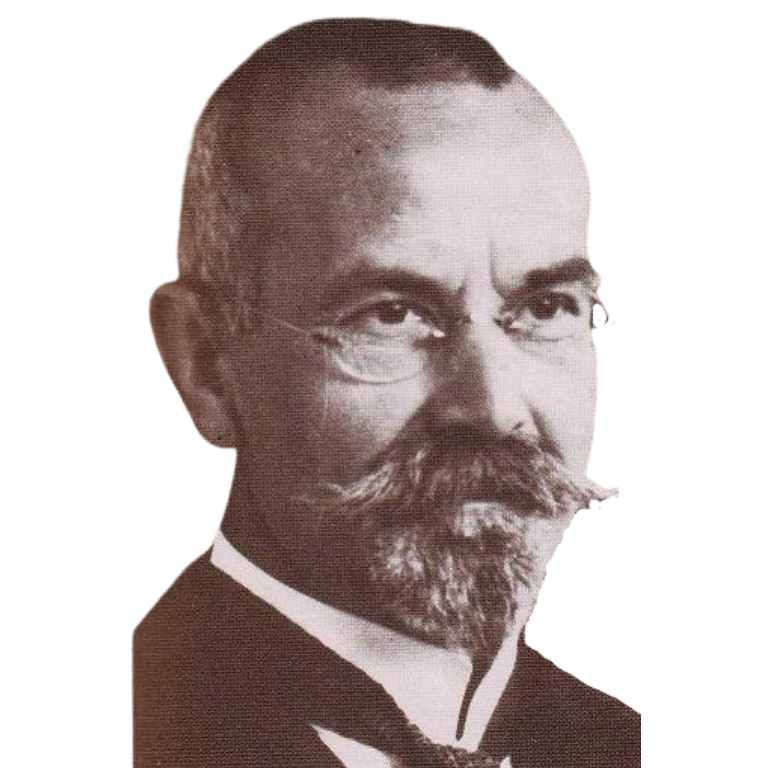
Georg Reingruber was a senior detective with the Munich Police Department. He arrived at the crime scene with his team just a few hours after the bodies were discovered and took charge of the
investigation. His task was to solve the case.
Witnesses were interviewed, and leads were followed. But the focus was on the wrong lead: a robbery-murder committed by an outsider.
He also exonerated Lorenz Schlittenbauer. In his view, Schlittenbauer would not have been capable of carrying out such a crime, he was too frail and suffered from asthma.

Viktoria Gabriel
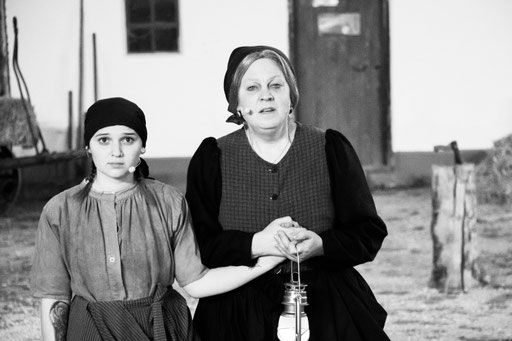
Viktoria lived on the farm with her two children. In the village, she was known as the “Lark of Hinterkaifeck” because of her beautiful singing voice. Together with her mother, she sang in the
church choir in Waidhofen.
After two failed relationships, she saw no other way out than to work on the farm with her two children and continue to endure her father’s abuse. At the end of March 1922, she decided to leave
the farm, and with it, her father, along with her children.
Andreas Gruber, however, would not allow her to be with another man. Wanting to keep his daughter for himself, he killed her, his family, and the maid.
(In the original photo, Viktoria was about 13 years old; in the reenactment, she is 37.)
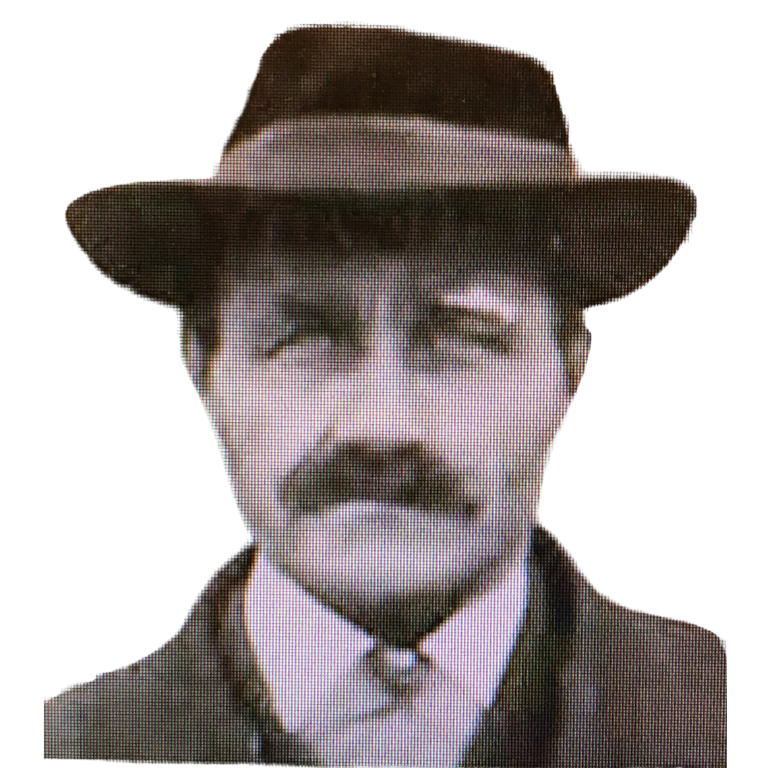
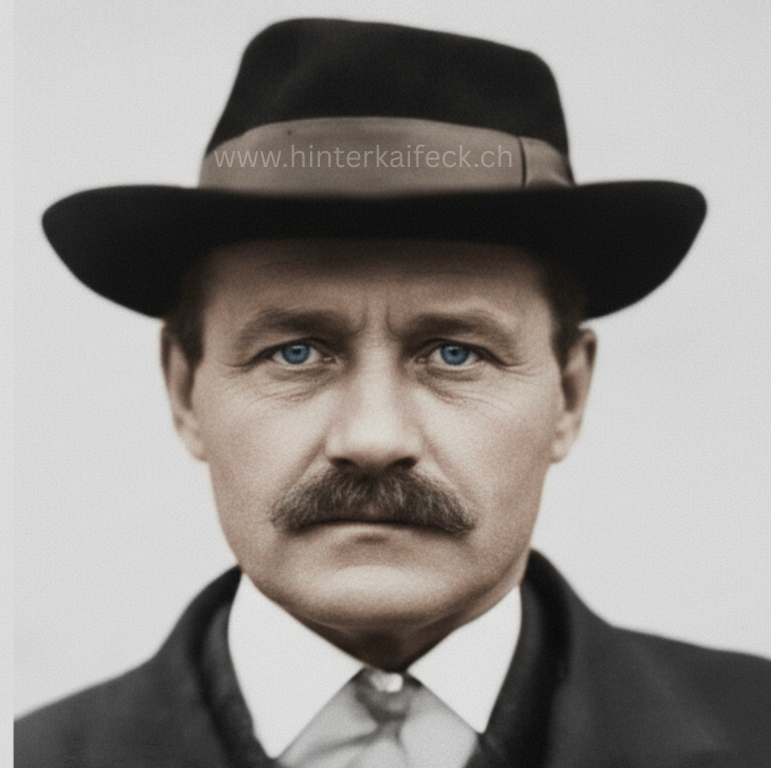
Lorenz Schlittenbauer
Lorenz Schlittenbauer, a devout believer, was a father, a farmer, and a volunteer community leader, as the welfare of the residents was close to his heart. After the death of his first wife, he began a romantic relationship with Viktoria. Despite the fact that their child was the product of incest, he wanted to marry her.
When a coffee merchant brought him a message on April 1, 1922, Schlittenbauer took it seriously. Toward evening, he set off for Hinterkaifeck with a battery-powered lamp to check that everything was all right. That evening would change his life forever... read more about it in the books.
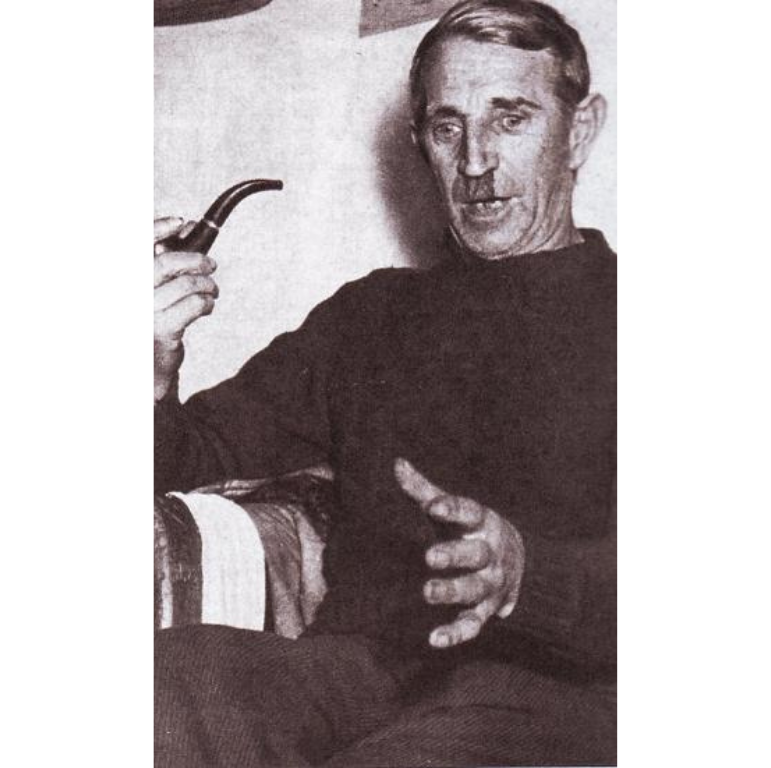
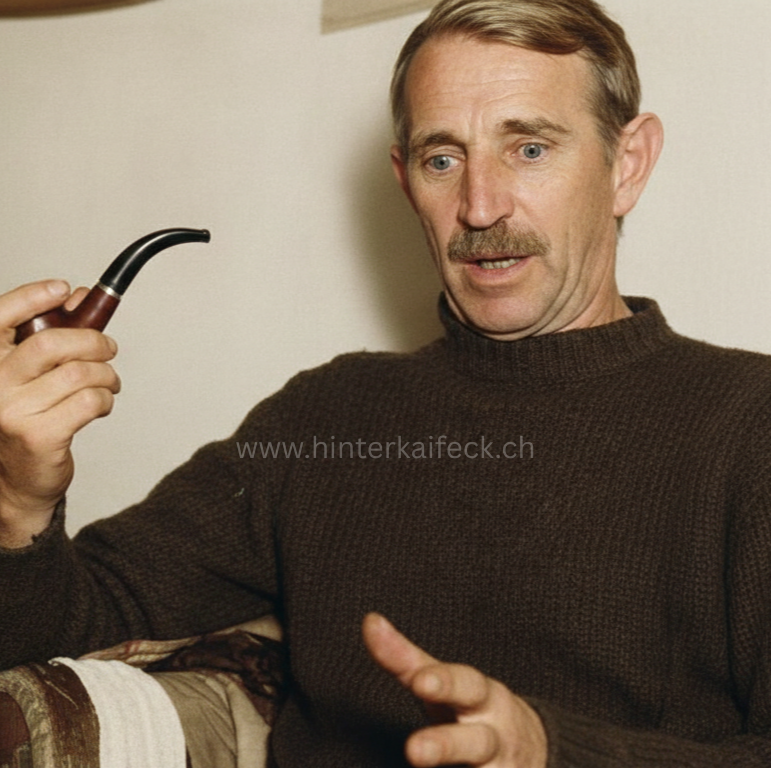
Jakob Siegl and Michael Plöckl
Jakob Siegl and Michael Plöckl were neighbors of Lorenz Schlittenbauer. At Alfred Hofner’s behest, the two men set off for Hinterkaifeck together with Lorenz Schlittenbauer.
When the bodies were discovered, Schlittenbauer behaved suspiciously, which is why the two men came to suspect him. Throughout his life, Jakob Siegl insisted that Lorenz Schlittenbauer had
murdered the six people.
Andreas Gruber
Andreas Gruber was the man who ruled over everything: strict, controlling, and feared. Neighbors described him as violent and difficult to get along with.
Rumors of incest and abuse within the family had been circulating for a long time. He served a year in prison for incest.
After the horrific crime, Andreas Gruber did not flee but remained on the farm. To this day, he lies unpunished and unatoned for in the family grave alongside those he murdered on March 31, 1922.
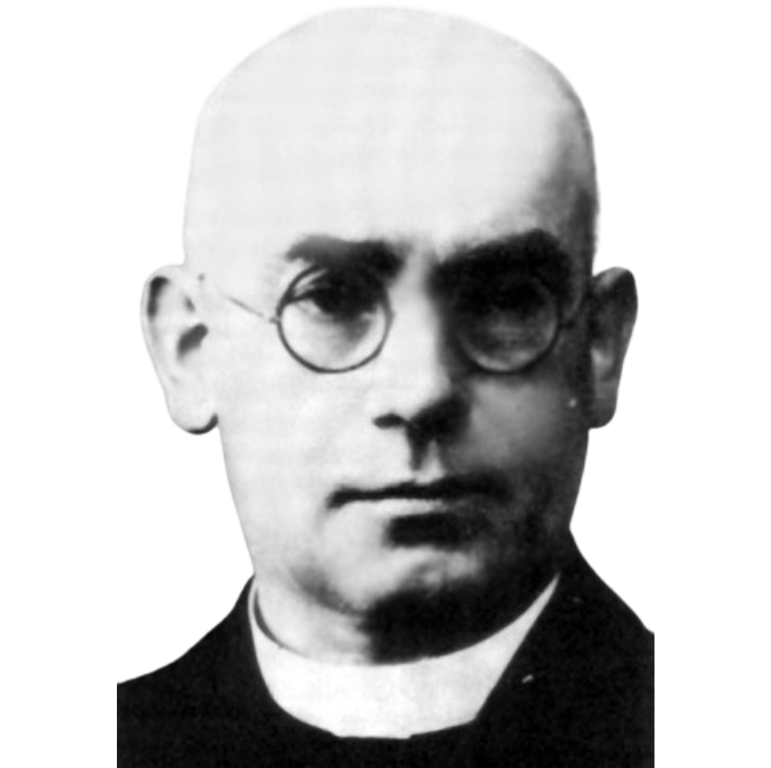
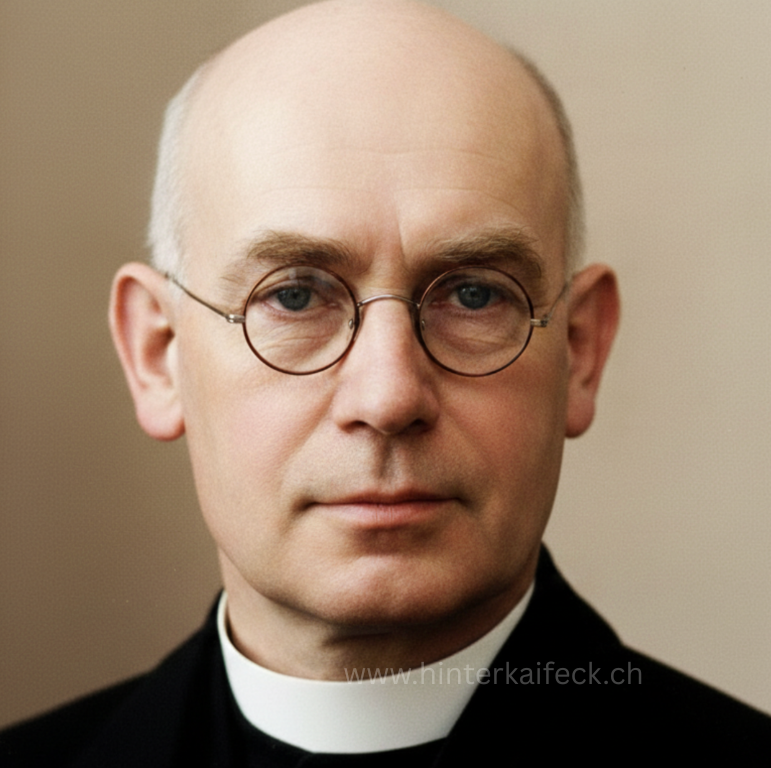
Pastor Michael Haas
The local guide, Lorenz Schlittenbauer, confided in Father Haas the secret surrounding the murder of the Hinterkaifeck victims and the death of Andreas Gruber, knowing that Haas was bound by the seal of confession to keep it to himself.
In their desperate search for the perpetrator and given the gravity of the case, the police later even asked the Pope in Rome to lift the seal of confession. However, Pastor Haas passed away before investigators had the opportunity to question him. Thus, he took the secret to his grave.
Top-journalist confirms: case solved!
Turn on the subtitles and learn the latest, most official findings on the Hinterkaifeck murder case

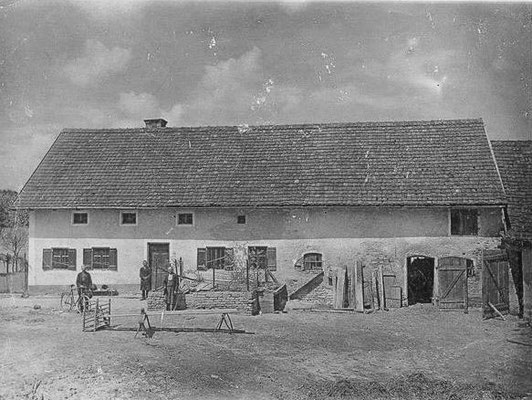
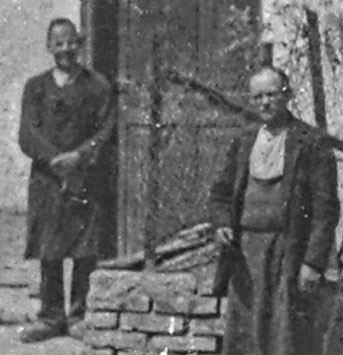
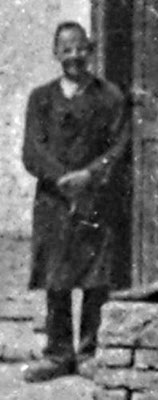
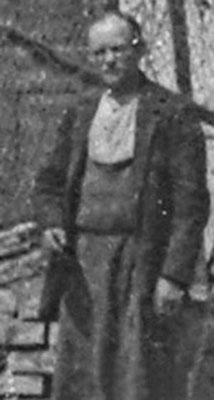
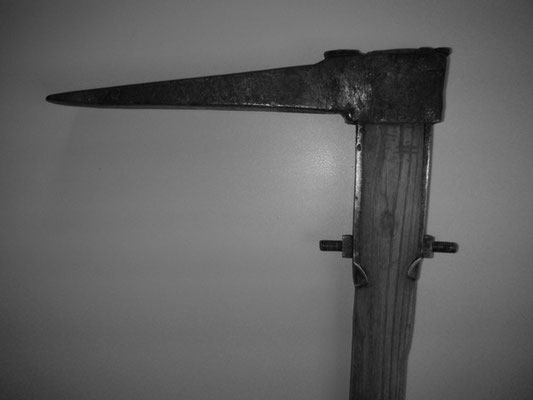
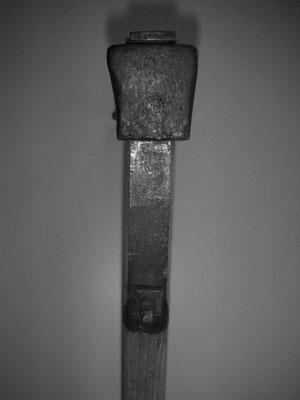
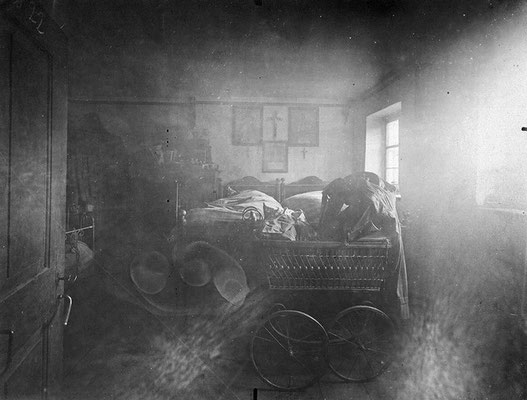
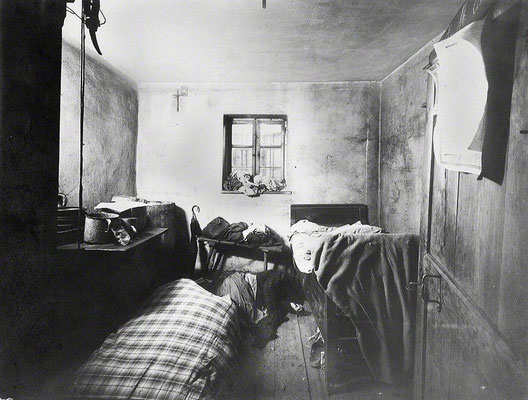
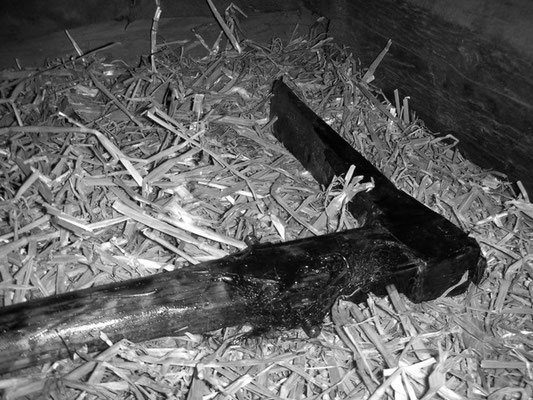
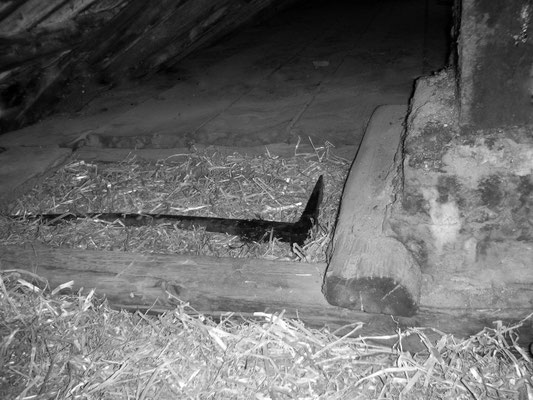
Original Images & Replicas
For more information click on the pictures
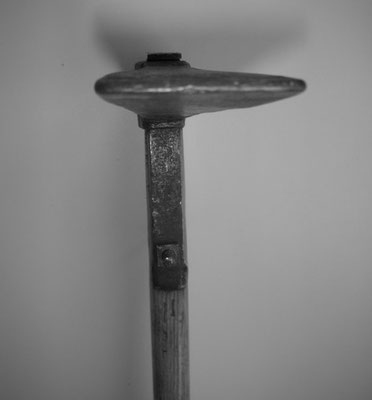
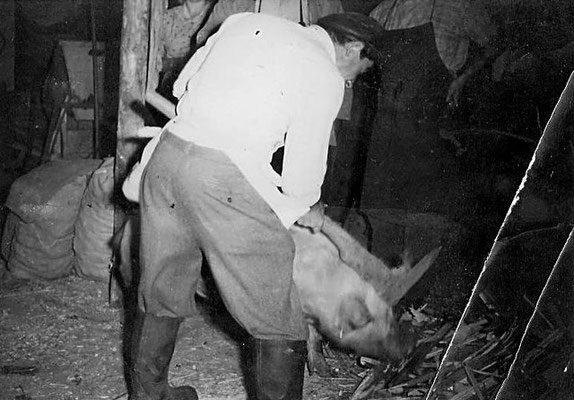
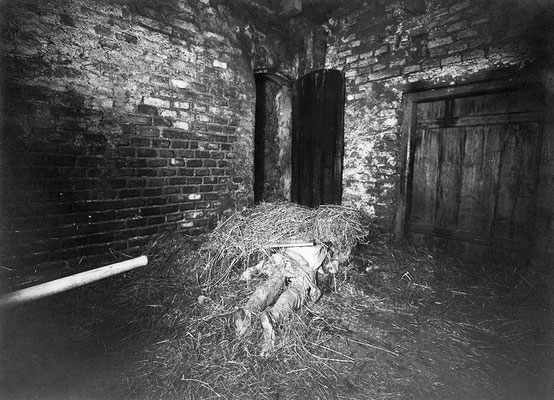
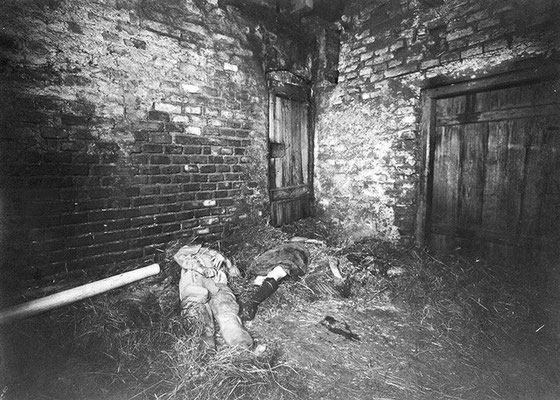
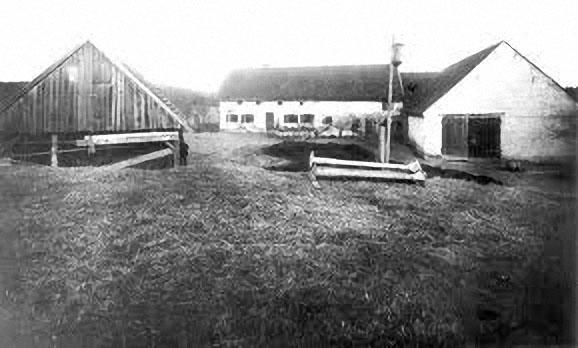
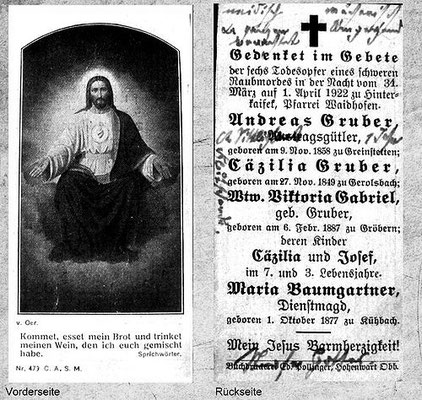
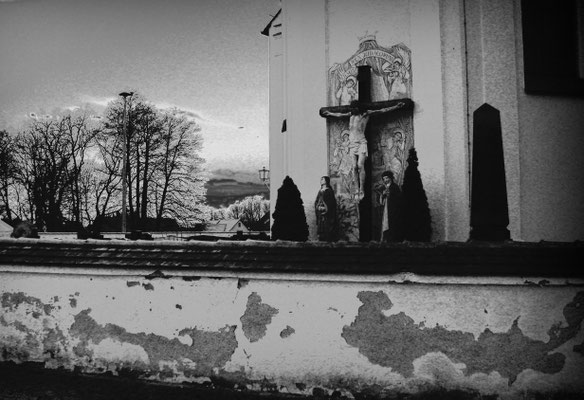
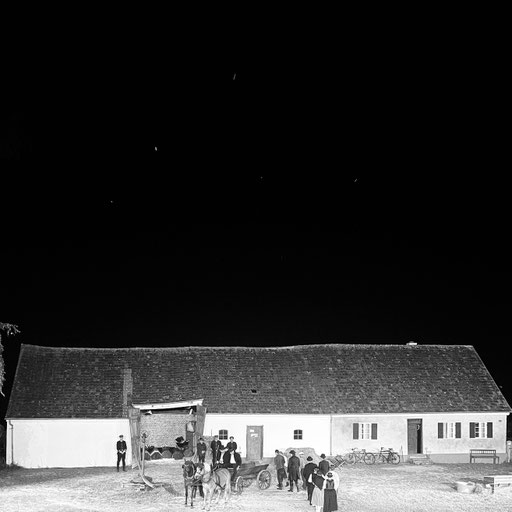
100 years of Hinterkaifeck
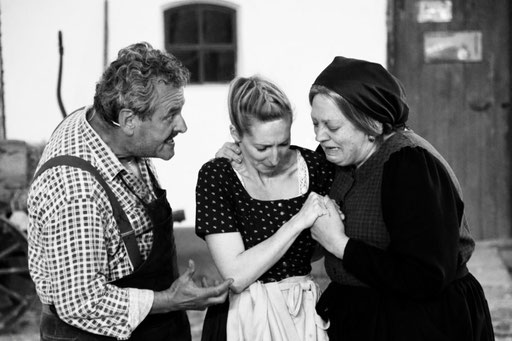
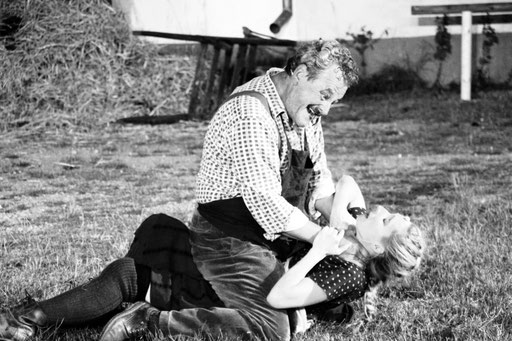
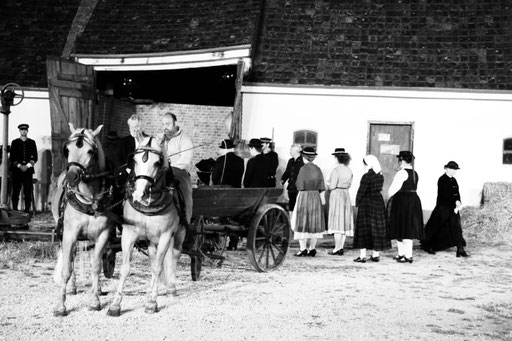
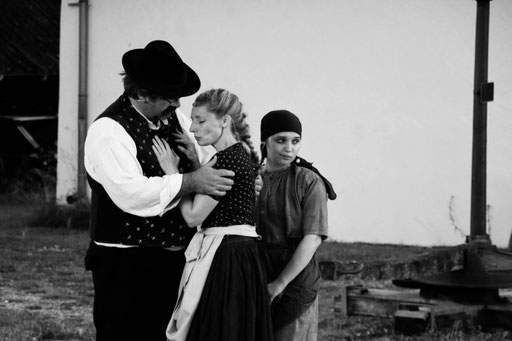
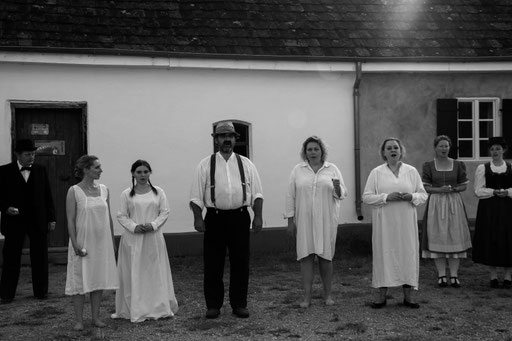
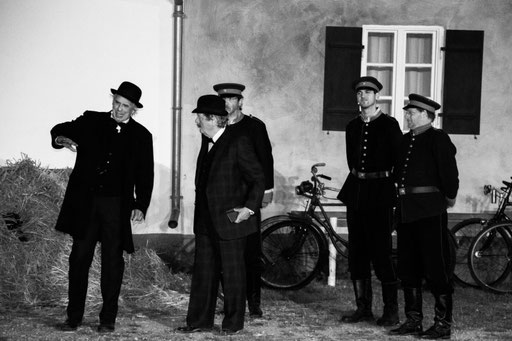
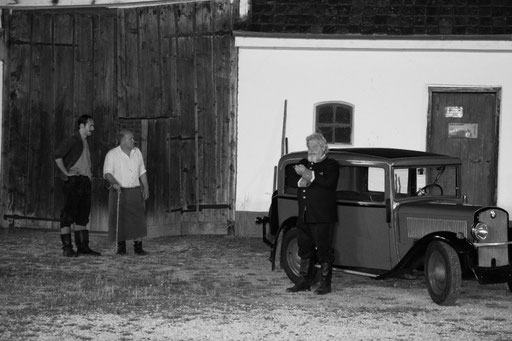
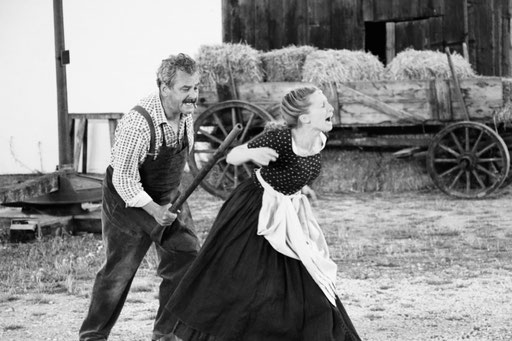
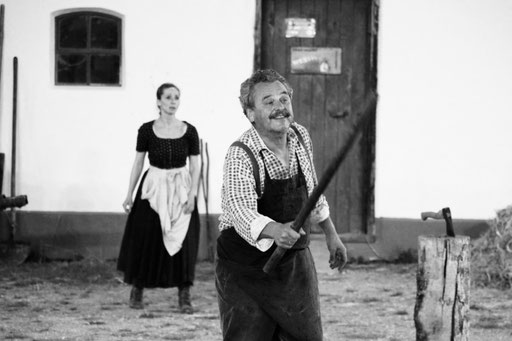
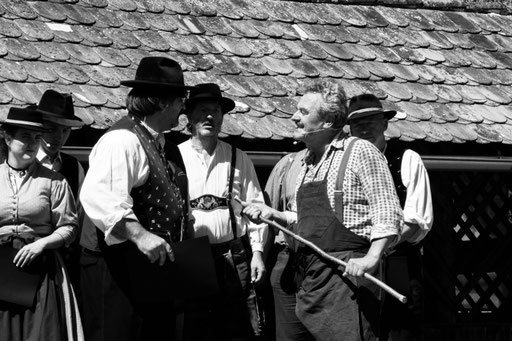
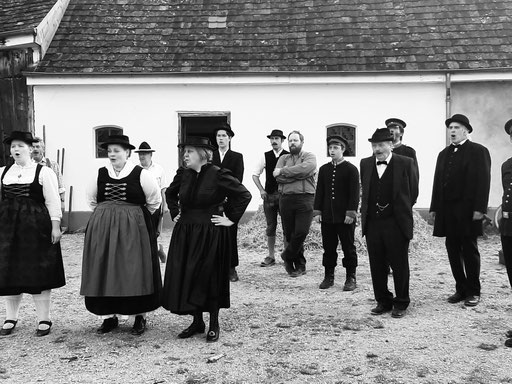
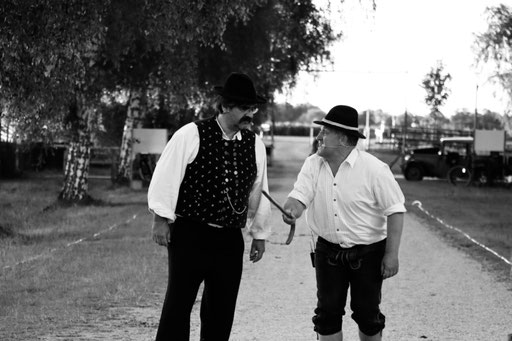
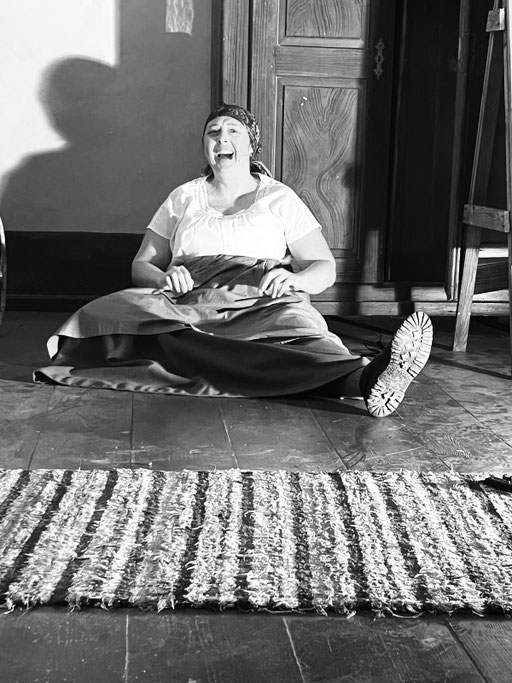
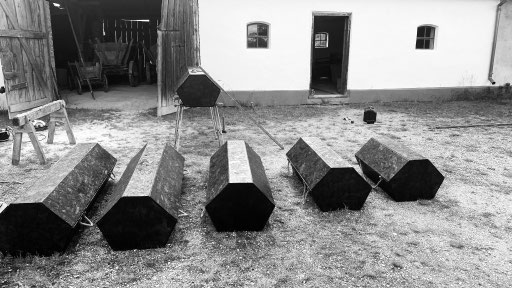
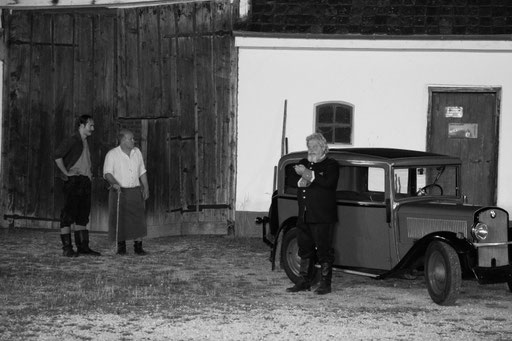
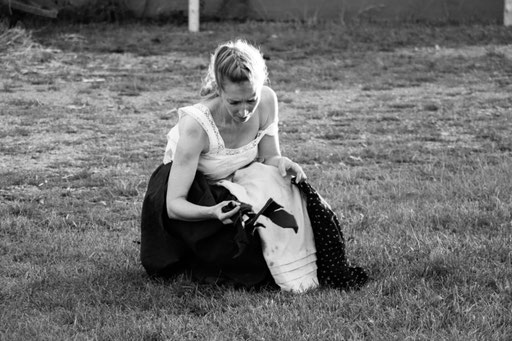
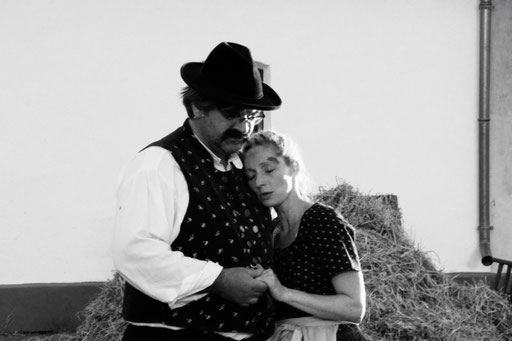
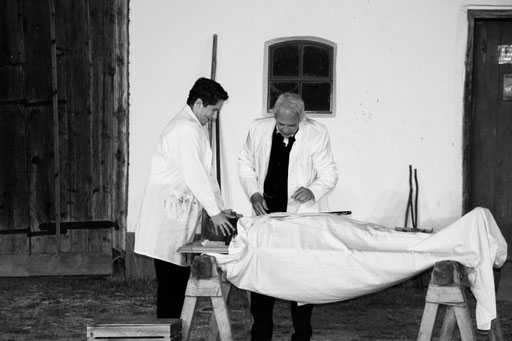
To mark the 100th anniversary of the Hinterkaifeck murders, the Neuburg Volkstheater, in collaboration with Adolf J. Köppel, staged the play "The Lark of Hinterkaifeck". The somber production, which was performed near Ingolstadt, captivated more than 10,000 audience members.